Expiration date: 02/2028
Method of administration and dosage
Always use this medication exactly as directed by your doctor. If in doubt, consult your doctor.
Your doctor will determine the dosage regimen and route of administration individually for you, depending on the indications, the severity of the disease, and your body's response.
Recommended dosage
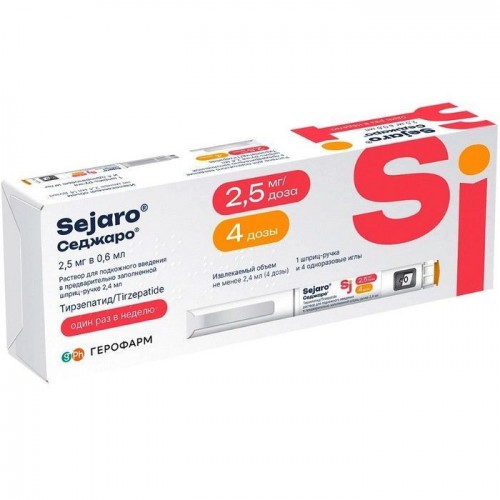
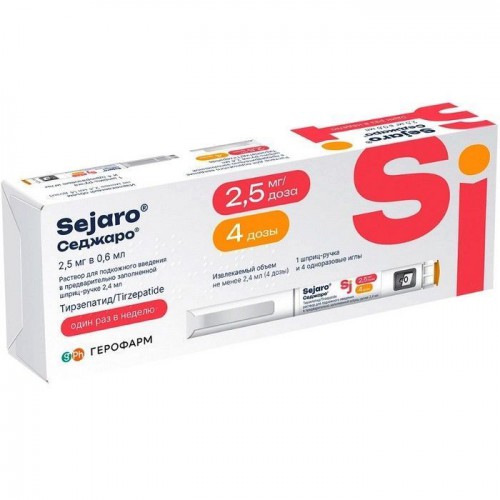
- The initial dose of Sejaro® is 2.5 mg once a week for 4 weeks.
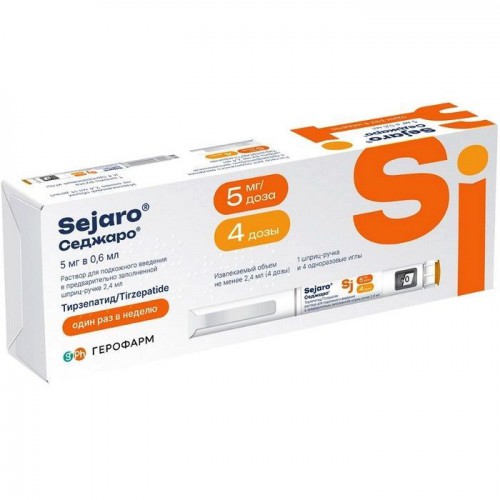
- After 4 weeks, your doctor will increase the dose to 5 mg once a week.
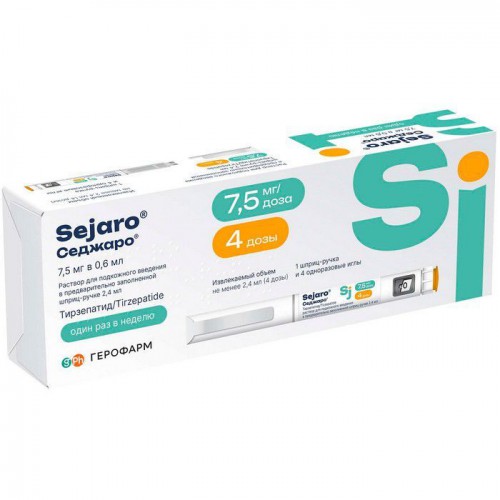
- If necessary, after 4 weeks the dose may be increased, but not by more than 2.5 mg. Thus, taking into account the increase, the dose should not exceed 7.5 mg once a week.
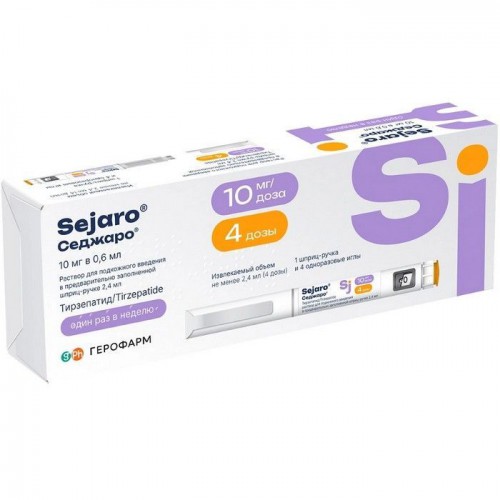
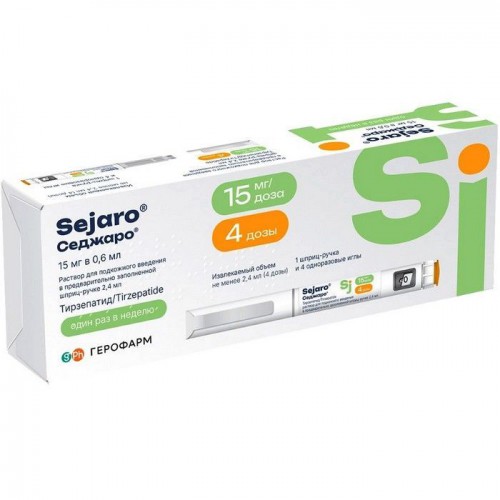
- The dose may then be increased, but by no more than 2.5 mg to the current dose every 4 weeks to doses of 10 mg, 12.5 mg, or 15 mg once a week. In each specific case, your doctor will advise you to remain on a certain dose for at least 4 weeks before switching to a higher dose.
Dose escalation scheme
Week Dose, mg
1st – 4th 2.5 mg once a week
5th – 8th 5 mg once a week
9th - 12th 7.5 mg once a week
13th - 16th 10 mg once a week
17th – 20th 12.5 mg once a week
21st - 24th 15 mg once a week
Recommended maintenance doses are 5 mg, 10 mg and 15 mg.
The maximum dose of Sejaro® that should not be exceeded is 15 mg once a week.
Do not change the dose yourself unless your doctor tells you to do so.
Use in children and adolescents
Safety and efficacy in children under 18 years of age have not yet been established. No data are available.
Route and (or) method of administration
The drug is administered subcutaneously in the abdomen, thigh, or upper arm. It can be administered at any time of day, with or without food. The injection site should be changed each time. If you also receive insulin injections, Sejaro® should be injected into a different site.
Duration of therapy
Your doctor will determine the duration of therapy depending on the severity of your condition. Use Sejaro® for as long as recommended by your doctor.
If you forget to use Sejaro®
If you forget to take Sejaro®, consult your doctor. Do not take a double dose to make up for the missed dose.
If a dose is missed, Sejaro® should be administered as soon as possible within 4 days of the scheduled dose. If more than 4 days have passed, skip the missed dose and administer the next dose on the scheduled day. You can then resume your regular weekly dosing schedule. If necessary, the weekly dosing day can be changed, provided that the interval between doses is at least 3 days.
If you have any questions about the use of Sejaro®, please consult your doctor.
Indications
Sejaro® is used to treat adults aged 18 years and older with poorly controlled T2DM as an adjunct to diet and physical activity:
- as monotherapy if metformin is not suitable due to intolerance or contraindications;
- in addition to other drugs for the treatment of type 2 diabetes.
Sejaro® is used as adjunctive therapy to a reduced-calorie diet and increased physical activity for weight loss and weight management in adults over 18 years of age with a baseline body mass index (BMI):
- ≥ 30 kg/m2 (obesity);
or
- ≥ 27 kg/m2 to < 30 kg/m2 (overweight) in the presence of at least one comorbidity associated with excess body weight (eg, hypertension (high blood pressure), dyslipidemia (abnormal balance of fats in the blood), obstructive sleep apnea (pause in breathing during sleep), cardiovascular disease, prediabetes, or T2DM).
Compound
The active substance is tirzepatide.
Each ml of solution for subcutaneous administration contains 4.17 mg tirzepatide.
Each 2.4 ml pen contains 10 mg tirzepatide.
Each dose contains 2.5 mg tirzepatide in 0.6 ml solution.
Other ingredients (excipients) are: disodium hydrogen phosphate heptahydrate, benzyl alcohol, glycerol, phenol, sodium chloride, 10% diluted hydrochloric acid and/or 10% sodium hydroxide solution (to adjust pH), water for injection.
Contraindications
Do not use Sejaro®:
- if you are allergic to tirzepatide or any other ingredients of this medicine (listed in section 6 of the leaflet);
- if you or your relatives have previously been diagnosed with medullary cancer (malignant tumor) of the thyroid gland;
- if you have been diagnosed with multiple endocrine neoplasia (MEN) type 2 – this is a group of pathological conditions characterized by the presence of neoplasms affecting two or more organs of the endocrine system;
- if you have type 1 diabetes mellitus (T1DM);
- if you have diabetic ketoacidosis (an acute complication of diabetes mellitus).
Special instructions
Before using Sejaro®, consult your doctor.
Be sure to tell your doctor if you have:
- severe problems with digestion or delayed gastric emptying (including severe gastroparesis);
- inflammatory disease of the pancreas (pancreatitis);
- signs and symptoms of low blood sugar, which may include dizziness or lightheadedness, sweating, confusion or drowsiness, headache, blurred vision, slurred speech, tremors, rapid heartbeat, anxiety, irritability, mood changes, hunger, weakness, nervousness;
- kidney dysfunction;
- disorders of the gallbladder;
- damage to the retina of the eye due to diabetes mellitus (diabetic retinopathy) or thickening of the retina associated with fluid accumulation (macular edema);
- thyroid diseases.
Conditions you need to monitor
Acute pancreatitis
You should use Sejaro® with caution if you have previously been diagnosed with pancreatitis.
Cases of acute pancreatitis have been reported in people taking tirzepatide.
If signs of acute pancreatitis appear, such as acute, unbearable pain in the abdomen, nausea, vomiting, or fever, stop using Sejaro® and consult your doctor.
Hypoglycemia
In patients receiving tirzepatide concomitantly with insulin secretagogues (e.g. sulfonylureas) or insulin, there may be an increased risk of hypoglycemia (see section 4 “Possible adverse reactions”).
Effect on the gastrointestinal tract
Tirzepatide may cause gastrointestinal (GI) adverse reactions, including nausea, vomiting, and diarrhea (see section 4, "Possible Adverse Reactions"). If you experience any of these adverse reactions, consult a doctor immediately. These adverse reactions can lead to dehydration, which can lead to deterioration of kidney function, including acute renal failure. This should be especially taken into account in elderly patients, who may be more susceptible to such complications.
Severe gastrointestinal diseases
Tirzepatide has not been studied in people with severe gastrointestinal diseases, including severe gastroparesis (delayed gastric emptying), and the drug is used with caution in such people.
Acute kidney injury
Tirzepatide causes gastrointestinal side effects, including nausea, vomiting, and diarrhea. These effects can lead to dehydration, which in severe cases can cause acute kidney injury.
Cases of acute kidney injury and worsening chronic renal failure have been reported in people taking GLP-1 receptor agonists (drugs like tirzepatide). Most of these events occurred in people experiencing nausea, vomiting, diarrhea, or dehydration. If you experience any of these symptoms, notify your doctor immediately.
Acute diseases of the gallbladder
Acute events of gallbladder disease, such as cholelithiasis or inflammatory gallbladder disease (cholecystitis), have been reported with the use of GLP-1 receptor agonists.
Acute gallbladder conditions have been associated with weight loss.
If you experience severe pain in the right hypochondrium or upper abdomen, you should immediately contact your doctor.
Diabetic retinopathy
Tirzepatide has not been studied in people with diabetic retinopathy (damage to the inner lining of the eye that occurs with diabetes) requiring emergency treatment or diabetic macular edema (thickening of the inner lining of the eye due to fluid accumulation) and should be used with caution and under appropriate medical supervision in these people.
If you experience any symptoms of vision changes, notify your doctor immediately.
Risk of developing thyroid tumors
It is unknown whether tirzepatide causes thyroid tumors, including medullary thyroid carcinoma (malignant thyroid tumor), in humans. In male and female rats, tirzepatide caused an increased incidence of thyroid tumors, dependent on the dose and duration of treatment.
You should monitor for possible symptoms, such as swelling in the neck, hoarseness, difficulty swallowing, or shortness of breath. If you experience any of these symptoms, notify your doctor immediately.
Aspiration in combination with general anesthesia or deep sedation
Cases of pulmonary aspiration (passage of solid or liquid material from the oropharynx or gastrointestinal tract into the trachea and lungs) have been reported in people receiving drugs from the class that includes tirzepatide and undergoing general anesthesia (general pain relief) or deep sedation (inducing deep drug-induced sleep).
When performing surgical interventions under general anesthesia or deep sedation in people receiving drugs from the tirzepatide group, there is a risk of developing pulmonary aspiration due to delayed gastric emptying (further movement of food into the intestine) and the presence of residual gastric contents.
Your doctor will monitor your condition during surgical procedures under general anesthesia or deep sedation.
Patients over 85 years of age
There are only limited data on the use of tirzepatide in people aged 85 years and older. The drug should be used with caution in people aged 85 years and older, as a higher sensitivity of some elderly individuals cannot be ruled out.
Children and teenagers
Do not give Sejaro® to children under 18 years of age because its safety and effectiveness have not been established.
The drug Sejaro® contains sodium and benzyl alcohol
Sejaro® contains less than 1 mmol sodium (23 mg) per dose (0.6 ml), making it essentially sodium-free.
Sejaro® contains 5.4 mg of benzyl alcohol per 0.6 ml dose (9 mg per ml). Benzyl alcohol is contraindicated in premature and neonatal infants. It may cause toxic and anaphylactoid reactions in infants and children under 3 years of age.
Packaging and release form
Solution for subcutaneous administration 2.5 mg/dose - 2.4 ml, cartridge in a disposable reusable syringe pen for multiple injections.
1 pre-filled syringe pen for multiple injections + 4 disposable needles, with a package insert.
Side effects
Like all medicines, Sejaro® can cause side effects, although not everybody gets them.
It is important that you inform your doctor about any adverse reactions you experience so that he or she can take appropriate measures (for example, temporarily suspend or discontinue treatment, change the dose and duration of use of the drug, prescribe additional therapy).
Some side effects can be serious and life-threatening. Tell your doctor immediately if you experience any of the following side effects:
Uncommon (may affect up to 1 in 100 people):
- acute, unbearable pain in the abdomen, nausea, vomiting, increased body temperature (acute pancreatitis).
Rare (may affect up to 1 in 1,000 people):
- a severe allergic reaction that is accompanied by symptoms such as difficulty breathing, decreased blood pressure, a feeling of shortness of breath, a feeling of pressure and pain in the chest, rash, itching, swelling of the lips, tongue, face, sudden weakness or other signs of a sharp deterioration in health (anaphylactic reaction);
- rapidly developing and increasing swelling of the skin, face, neck, larynx, mucous membranes, difficulty breathing and swallowing (angioedema (Quincke's edema)).
The following are other side effects that may occur when using Sejaro®:
Very common (may affect more than 1 in 10 people):
- decreased blood sugar levels (hypoglycemia) with the simultaneous use of drugs that stimulate insulin secretion (sulfonylurea drugs) or insulin;
- nausea;
- diarrhea;
- abdominal pain;
- constipation;
- vomit.
Common (may affect up to 1 in 10 people):
- allergic reactions (hypersensitivity reactions);
- decreased blood sugar levels (hypoglycemia) when used concomitantly with metformin and gliflozin group drugs (empagliflozin, dapagliflozin and others);
- loss of appetite;
- dizziness;
- increased heart rate;
- feeling of drowsiness and general weakness, pale skin, shortness of breath, nausea, vomiting, rapid heartbeat, increased sweating (hypotension);
- digestive disorders (dyspepsia);
- bloating;
- belching;
- flatulence;
- reflux of stomach contents into the esophagus (gastroesophageal reflux disease);
- hair loss (alopecia);
- fatigue;
- reaction at the injection site;
- increased lipase levels in a laboratory blood test;
- increased amylase levels in a laboratory blood test;
- increased levels of calcitonin in the blood (determined by a blood test).
Uncommon (may affect up to 1 in 100 people):
- decreased blood sugar levels (hypoglycemia) when used concomitantly with metformin;
- weight loss;
- cholelithiasis;
- inflammatory disease of the gallbladder (cholecystitis);
- pain at the injection site;
- disturbance of taste perception (dysgeusia).
Reporting adverse reactions
If you experience any adverse reactions, consult your doctor. This includes any adverse reactions not listed in the package leaflet. You can also report adverse reactions directly (see below). By reporting adverse reactions, you help provide more information about the safety of this medicine.
Pharmacotherapeutic group
agents for the treatment of diabetes mellitus; other hypoglycemic agents, except insulins
Interaction with other drugs
Tell your doctor if you are taking, have recently taken, or might take any other medicines.
Your doctor needs to know about the medications you are taking to take into account possible adverse reactions that may develop due to the interaction of various medications with Sejaro®, and to possibly adjust the doses of the medications you are taking.
In particular, tell your doctor if you are taking any of the following medications:
- paracetamol (antipyretic drug);
- warfarin (used to treat and prevent blood clots);
- digoxin (used for chronic heart failure);
- oral contraceptives (used to prevent unwanted pregnancy).
Impact on the ability to drive a car and operate other machinery
Driving vehicles and operating machinery
Tirzepatide has little or no effect on the ability to drive or operate machinery. When used concomitantly with sulfonylureas or insulin, caution is recommended to prevent hypoglycemia when driving or operating machinery (see section "Special Warnings and Precautions").
Use during pregnancy and breastfeeding
If you are pregnant or breastfeeding, think you may be pregnant, or are planning a pregnancy, consult your doctor before using this medication.
Pregnancy
There are no data on the use of tirzepatide in pregnant women. Do not use Sejaro® during pregnancy. Use effective contraception during treatment with Sejaro®.
Breast-feeding
It is unknown whether tirzepatide is excreted in breast milk. A risk to the newborn cannot be excluded. Your doctor may recommend discontinuing breastfeeding or discontinuing Sejaro® therapy after assessing the benefit of breastfeeding for your baby and the benefit of therapy for you.
Fertility
The effect of tirzepatide on human fertility (the ability of a sexually mature organism to produce offspring) is unknown. Animal studies with tirzepatide have not revealed any direct harmful effects on fertility.
Pharmacodynamics
What is Sejaro® and what is it used for?
Sejaro® contains the active ingredient tirzepatide, which belongs to a group of medications used to treat diabetes mellitus; hypoglycemic agents other than insulin; and other hypoglycemic agents other than insulin. Sejaro® is used to treat type 2 diabetes mellitus (T2DM) and obesity as an adjunct to a low-calorie diet and physical activity.
Tirzepatide is a new class of dual-acting incretins (metabolic hormones that regulate insulin and glucose levels in the blood).
In clinical studies, tirzepatide's dual action has been shown to be effective in promoting weight loss, improving metabolism, and controlling blood sugar levels in people with type 2 diabetes.
Tirzepatide regulates appetite, which may help you eat less food and lose weight.
Tirzepatide, by improving insulin sensitivity, reduces elevated blood glucose levels, promotes weight loss, and restores a normal lipid profile. Additional effects observed with tirzepatide include reduced waist circumference, improved metabolism (lipid and glucose levels, among others), improved cardiovascular parameters (blood pressure, pulse), and improved liver and kidney function and health. Obesity is a serious condition that increases the risk of cardiovascular complications. Weight loss with tirzepatide reduces the risk of various complications, such as cardiovascular disease, type 2 diabetes, and others, and increases life expectancy.
Mode of action of the drug Sejaro®
Tirzepatide acts similarly to natural hormones—physiological regulators of carbohydrate metabolism (insulin and glucose levels), as well as appetite and food intake. Tirzepatide is a long-acting receptor agonist (interacts with the receptor (target), causing a specific biological response) for glucose-dependent insulinotropic peptide (GIP) and glucagon-like peptide-1 (GLP-1). Both receptors are present on α- and β-endocrine cells of the pancreas, brain, heart, vascular system, immune cells, intestines, and kidneys. Influence on GLP-1 receptors, in addition to regulating carbohydrate metabolism, helps you feel full faster, maintain this feeling for a longer period, and control eating behavior. GIP receptors are also present on adipocytes (the type of cell that makes up adipose tissue). Influence on GLP-1 receptors may further contribute to the regulation of food intake. Thus, the drug's simultaneous action on two types of receptors (GIP and GLP-1) increases its effectiveness due to their complementary action.
In patients with type 2 diabetes, tirzepatide stimulates insulin production, reduces insulin resistance, and regulates carbohydrate metabolism. In addition to regulating carbohydrate metabolism, tirzepatide can help you consume less food, which contributes to a decrease in body fat for weight management and control.
If there is no improvement or you feel worse, you should consult a doctor.
Storage temperature
from 2℃ to 8℃
Dosage form
Colourless or slightly yellowish transparent solution.
Overdose
If you have used more Sejaro® than you should
Your doctor will monitor you to make sure you are getting the right dose of Sejaro®.
In case of a suspected overdose of Sejaro®, consult your doctor. If possible, show the doctor the package insert. You will be prescribed supportive treatment based on your symptoms. Gastrointestinal side effects, including nausea, may occur.
Special storage conditions
Store Sejaro® at a temperature of 2 to 8°C (in the refrigerator), but not near the freezer. Do not freeze.
Store Sejaro® in its original packaging (packet) to protect from light.
After first use
Store the used or carried spare syringe pen containing the medicine at a temperature not exceeding 30°C for no more than 30 days.
After use, replace the cap on the pen to protect from light.