Expiration date: 10/2027
Dosage form
modified-release capsules
Compound
Composition per 1 capsule:
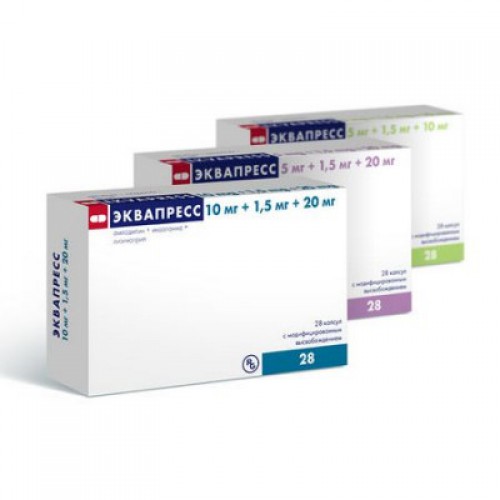
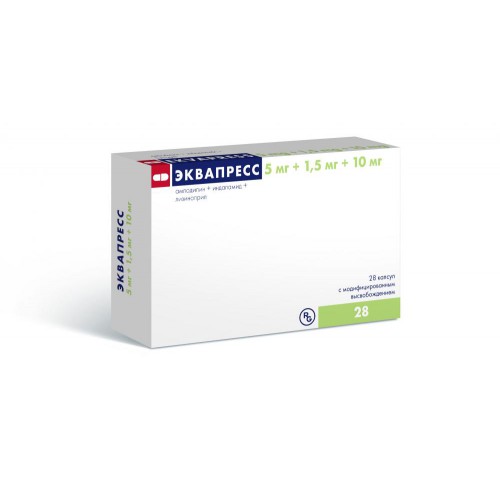
Dosage: 5 mg + 1.5 mg + 10 mg
Active ingredients: amlodipine besylate - 6.934 mg (equivalent to amlodipine 5 mg), indapamide - 1.5 mg, lisinopril dihydrate - 10.888 mg (equivalent to lisinopril 10 mg).
Excipients: lactose monohydrate, hypromellose, calcium hydrogen phosphate dihydrate, mannitol, corn starch, microcrystalline cellulose, sodium croscarmellose, talc, magnesium stearate, colloidal silicon dioxide, Opadry II white (contains: polyvinyl alcohol, titanium dioxide, macrogol-3350, talc), hard gelatin capsule (contains: iron oxide yellow dye, titanium dioxide, water, gelatin).
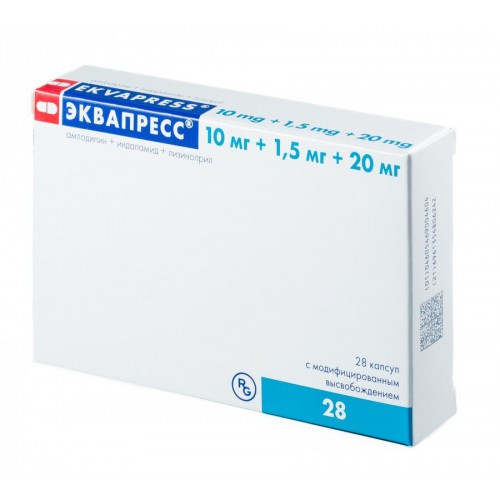
Dosage: 10 mg + 1.5 mg + 20 mg
Active ingredients: amlodipine besylate - 13.868 mg (equivalent to amlodipine 10 mg), indapamide - 1.5 mg, lisinopril dihydrate - 21.776 mg (equivalent to lisinopril 20 mg).
Excipients: lactose monohydrate, hypromellose, calcium hydrogen phosphate dihydrate, mannitol, corn starch, microcrystalline cellulose, sodium croscarmellose, talc, magnesium stearate, colloidal silicon dioxide, Opadry II white (contains: polyvinyl alcohol, titanium dioxide, macrogol-3350, talc), hard gelatin capsule (contains: iron oxide yellow dye, iron oxide red dye, titanium dioxide, water, gelatin).
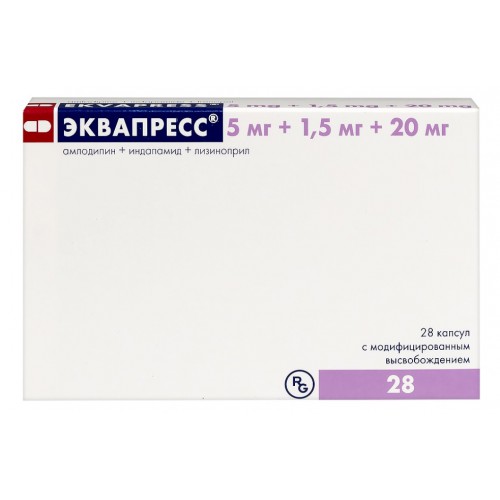
Dosage: 5 mg + 1.5 mg + 20 mg
Active ingredients: amlodipine besylate - 6.934 mg (equivalent to amlodipine 5 mg), indapamide - 1.5 mg, lisinopril dihydrate - 21.776 mg (equivalent to lisinopril 20 mg).
Excipients: lactose monohydrate, hypromellose, calcium hydrogen phosphate dihydrate, mannitol, corn starch, microcrystalline cellulose, sodium croscarmellose, talc, magnesium stearate, colloidal silicon dioxide, Opadry II white (contains: polyvinyl alcohol, titanium dioxide, macrogol-3350, talc), hard gelatin capsule (contains: iron oxide yellow, iron oxide red, water, gelatin).
Description
Dosage: 5 mg + 1.5 mg + 10 mg
Yellow hard gelatin capsules, size No. 1. Capsule contents: 1 round, biconvex white tablet, engraved with "CF4" on one side (contains amlodipine and lisinopril ) and 1 oval, biconvex film-coated tablet, white, engraved with "СРЗ" on one side and a score line on the other side (contains indapamide ).
Dosage: 10 mg + 1.5 mg + 20 mg
Hard gelatin capsules of light orange color, size No. 1. Contents of the capsules - 2 round, biconvex tablets of white color, engraved with "CF4" on one side (contain amlodipine and lisinopril ) and 1 oval, biconvex film-coated tablet, white, engraved with "СРЗ" on one side and a score line on the other side (contains indapamide ).
Dosage: 5 mg + 1.5 mg + 20 mg
Hard gelatin capsules of dark orange color, size No. 0. Contents of the capsules - 2 round, biconvex tablets of white color, engraved with "CF1" on one side (contains amlodipine and lisinopril ) and 1 oval, biconvex film-coated tablet, white, engraved with "СРЗ" on one side and a score line on the other side (contains indapamide ).
Pharmacotherapeutic group
Antihypertensive combination drug (calcium channel blocker + diuretic + ACE inhibitor)
Pharmacodynamics:
Ekvapress is a fixed combination of the antihypertensive components amlodipine, indapamide and lisinopril, which have complementary mechanisms of action that help control blood pressure (BP) and also synergistically provide a cardioprotective effect.
The combination of amlodipine, indapamide, and lisinopril helps prevent potential side effects associated with the individual components of the drug. For example, by dilating arterioles, calcium channel blockers (CCBs) can cause sodium and fluid retention, which leads to activation of the renin-angiotensin-aldosterone system (RAAS). Angiotensin-converting enzyme (ACE) inhibitors block this process and normalize the body's response to salt loading.
ACE inhibitors significantly reduce diuretic-induced hypokalemia.
Amlodipine
A dihydropyridine derivative, it is a calcium channel blocker with antihypertensive and antianginal effects. It blocks slow calcium channels, reducing the transmembrane transport of calcium ions into cells (more so in vascular smooth muscle cells than in cardiomyocytes). Its antianginal effect is due to dilation of coronary and peripheral arteries and arterioles:
- in angina pectoris, it reduces the severity of myocardial ischemia; by dilating peripheral arterioles, it reduces total peripheral vascular resistance, reduces afterload on the heart, and reduces the myocardial oxygen demand;
- by expanding the coronary arteries and arterioles in both unchanged and ischemic areas of the myocardium, it increases the oxygen supply to the myocardium (especially in vasospastic angina); prevents spasm of the coronary arteries (including that caused by smoking).
In patients with stable angina, a single daily dose increases exercise tolerance, slows the development of angina attacks and ST segment depression by 1 mm, reduces the frequency of angina attacks and the consumption of nitroglycerin and other nitrates.
It has a long-lasting, dose-dependent antihypertensive effect. This antihypertensive effect is due to a direct vasodilatory effect on vascular smooth muscle. In arterial hypertension, a single dose provides a clinically significant reduction in blood pressure over 24 hours (in both the supine and standing positions).
Orthostatic hypotension is rare with amlodipine. Amlodipine does not reduce exercise tolerance or left ventricular ejection fraction. It reduces left ventricular myocardial hypertrophy. It has no effect on myocardial contractility or conductivity, does not cause a reflex increase in heart rate, inhibits platelet aggregation, increases the glomerular filtration rate, and has a weak natriuretic effect. In diabetic nephropathy, it does not increase the severity of microalbuminuria. It has no adverse effects on metabolism or plasma lipid levels and can be used in the treatment of patients with bronchial asthma, diabetes mellitus, and gout. A significant reduction in blood pressure is observed within 6-10 hours, and the effect lasts for 24 hours.
In patients with cardiovascular diseases (including coronary atherosclerosis with damage to one vessel and up to stenosis of three or more arteries, atherosclerosis of the carotid arteries), who have had myocardial infarction, percutaneous transluminal coronary angioplasty (PTCA), or in patients with angina, the use of amlodipine prevents the development of thickening of the intima-media of the carotid arteries, reduces mortality from myocardial infarction, stroke, PTCA, aorto-coronary bypass surgery; leads to a decrease in the number of hospitalizations for unstable angina and the progression of chronic heart failure (CHF); reduces the frequency of interventions aimed at restoring coronary blood flow.
Does not increase the risk of death or complications or fatal outcomes in patients with CHF (functional class III-IV according to the New York Heart Association (NYHA) classification) treated with digoxin, diuretics, and ACE inhibitors. In patients with CHF (functional class III-IV according to the NYHA classification) of non-ischemic etiology, amlodipine may cause pulmonary edema.
Indapamide
Indapamide is a sulfonamide derivative with an indole ring and is pharmacologically similar to thiazide diuretics, which inhibit sodium absorption in the cortical segment of the nephron. This increases the renal excretion of sodium, chloride, and, to a lesser extent, potassium and magnesium ions, which is accompanied by increased diuresis and an antihypertensive effect. Clinical trials of indapamide as monotherapy at doses that do not produce a pronounced diuretic effect demonstrated a 24-hour antihypertensive effect.
The antihypertensive activity of indapamide is associated with an improvement in the elastic properties of large arteries and a decrease in arteriolar and total peripheral vascular resistance.
Indapamide reduces left ventricular hypertrophy.
Thiazide and thiazide-like diuretics reach a plateau in therapeutic effect at a certain dose, while the incidence of side effects continues to increase with further dose increases. Therefore, the dose should not be increased if a therapeutic effect is not achieved at the recommended dose.
In short-, medium-, and long-term studies in patients with hypertension, indapamide has been shown to:
- does not affect lipid metabolism parameters, including the concentration of triglycerides, cholesterol, low- and high-density lipoproteins;
- does not affect carbohydrate metabolism, including in patients with diabetes.
Lisinopril
Lisinopril is an ACE inhibitor that inhibits the conversion of angiotensin I to angiotensin II. A decrease in angiotensin II concentration directly reduces aldosterone secretion. Lisinopril inhibits bradykinin degradation and increases prostaglandin synthesis. It reduces total peripheral vascular resistance, blood pressure, preload, and pulmonary capillary pressure. In patients with CHF, it increases cardiac output and improves myocardial resistance. It dilates arteries to a greater extent than veins. Some effects are explained by its effect on the tissue renin-angiotensin system. With long-term use, it reduces myocardial hypertrophy and arterial wall resistance.
Lisinopril improves blood supply to the ischemic myocardium.
In patients with CHF, ACE inhibitors increase life expectancy; in patients with a history of myocardial infarction in the absence of clinical manifestations of heart failure, lisinopril slows the progression of left ventricular dysfunction.
In patients with CHF, lisinopril begins to act within 1 hour of oral administration. The maximum effect is achieved within 6-7 hours; the duration of effect is 24 hours. In patients with arterial hypertension, the effect is evident within the first days after the start of treatment; stabilization of the effect occurs within 1-2 months of treatment. Cases of a significant increase in blood pressure after abrupt discontinuation of the drug have not been reported. Lisinopril both lowers blood pressure and reduces albuminuria. In patients with hyperglycemia, the drug promotes the restoration of damaged glomerular endothelial function. In patients with diabetes mellitus, lisinopril does not affect plasma glucose concentrations; taking the drug does not lead to an increase in the incidence of hypoglycemia.
Pharmacokinetics:
Amlodipine
Suction
After oral administration, amlodipine is well absorbed from the gastrointestinal tract (GIT). Average absolute bioavailability is 64-80%, with Cmax in serum observed after 6-12 hours. Steady-state concentrations (Css) are reached after 7-8 days of therapy. Food intake does not affect amlodipine absorption.
Distribution and binding to plasma proteins
The mean volume of distribution is 21 L/kg body weight, indicating that most of the drug is found in tissues, with a smaller portion in the blood. Most of the amlodipine found in the blood (97.5%) is bound to plasma proteins. Amlodipine penetrates the blood-brain barrier.
Metabolism/excretion
Amlodipine undergoes slow but extensive metabolism in the liver with no significant first-pass effect. Metabolites do not exhibit significant pharmacological activity. The plasma half-life (T1/2) ranges from 35 to 50 hours, allowing for once-daily dosing. T1/2 with repeated administration is approximately 45 hours. Approximately 60% of the oral dose is excreted in the urine, primarily as metabolites, 10% unchanged, and 20-25% in the faeces with bile. The total body clearance of amlodipine is 0.116 ml/s/kg (7 ml/min/kg, 0.42 l/h/kg). Amlodipine is not removed from plasma by hemodialysis.
Pharmacokinetics in special patient groups
Elderly patients: In elderly patients (over 65 years of age), the elimination of amlodipine is slower (T1/2 - 65 h) compared to younger patients, but this difference is not clinically significant.
Patients with liver failure: prolongation of T1/2 in patients with liver failure suggests that with long-term use the accumulation of the drug in the body will be higher (T1/2 - up to 60 hours).
Patients with renal impairment: Renal impairment does not significantly affect the kinetics of amlodipine.
Indapamide
The active substance is contained in a special carrier matrix, which ensures slow, controlled release of indapamide in the gastrointestinal tract.
Absorption: Released indapamide is rapidly and completely absorbed from the gastrointestinal tract. Food slightly prolongs absorption time without affecting the completeness of absorption. Cmax is reached 12 hours after a single oral dose. With repeated administration, fluctuations in plasma indapamide concentrations are smoothed out. Absorption varies between individuals.
Distribution and protein binding: Approximately 79% of the drug is bound to plasma proteins. The half-life is 14-24 hours (average 18 hours). Steady-state concentrations are reached 7 days after initiation of therapy.
Multiple administration does not lead to accumulation of the drug.
Excretion: Indapamide is excreted mainly as inactive metabolites via the kidneys (70% of the administered dose) and through the feces (22%).
High-risk group: The pharmacokinetics of indapamide are not altered in patients with renal impairment.
Lisinopril
Suction
Following oral administration, approximately 25% of lisinopril is absorbed from the gastrointestinal tract. Food does not affect absorption. Absorption averages 30%, and bioavailability is 29%.
Distribution and binding to plasma proteins
Maximum concentration (Cmax) is reached 6-8 hours after oral administration. Plasma protein binding is low. Lisinopril poorly penetrates the blood-brain barrier.
Metabolism
Lisinopril does not undergo biotransformation in the human body.
Withdrawal
The half-life (T1/2) is 12 hours.
Pharmacokinetics in special patient groups
Patients with chronic heart failure
In patients with CHF, the absorption and clearance of lisinopril are reduced. In this patient population, the absolute bioavailability of lisinopril is reduced by approximately 16%.
Patients with renal failure
Impaired renal function results in an increase in the AUC (area under the concentration-time curve) and half-life of lisinopril, but these changes become clinically significant only when the glomerular filtration rate (SFR) falls below 30 ml/min/1.73 m2. In mild to moderate renal impairment (creatinine clearance (CC) from 30 to 80 ml/min), the mean AUC value increases by 13%, while in severe renal impairment (CC from 5 to 30 ml/min), an increase in the mean AUC by 4.5 times is observed.
Patients with liver failure
In patients with liver cirrhosis, the absorption of lisinopril is reduced (by approximately 30%), but the exposure to the drug is increased (by approximately 50%) compared to healthy volunteers due to decreased clearance.
Elderly patients (over 65 years old)
In elderly patients, the plasma concentration of lisinopril and the area under the concentration-time curve are 2 times higher than in young patients.
Indications:
Arterial hypertension (patients requiring combination therapy).
Contraindications:
- Hypersensitivity to amlodipine or other dihydropyridine derivatives.
- Hypersensitivity to lisinopril or other ACE inhibitors.
- Hypersensitivity to indapamide or other sulfonamide derivatives.
- Hypersensitivity to the excipients of the drug.
- Severe arterial hypotension (systolic blood pressure below 90 mmHg).
- History of angioedema, including that associated with the use of ACE inhibitors.
- Hereditary or idiopathic angioedema.
- Severe renal failure (creatinine clearance <30 ml/min).
- Hepatic encephalopathy or severe liver dysfunction.
- Hypokalemia.
- Hemodynamically significant left ventricular outflow tract obstruction (e.g., severe aortic stenosis, hypertrophic obstructive cardiomyopathy), hemodynamically significant mitral stenosis.
- Hemodynamically unstable heart failure after myocardial infarction.
- Shock (including cardiogenic).
- Unstable angina (except Prinzmetal's angina).
- Concomitant use of Ekvapress and drugs containing aliskiren in patients with diabetes mellitus and/or moderate or severe renal impairment (glomerular filtration rate (SFR) less than 60 ml/min/1.73 m2 of body surface area).
- Concomitant use with angiotensin II receptor antagonists (ARA II) in patients with diabetic nephropathy.
- Pregnancy and breastfeeding.
- Age under 18 years (efficacy and safety have not been established).
- Hereditary lactose intolerance, galactosemia, glucose-galactose malabsorption syndrome.
With caution:
Aortic stenosis, mitral stenosis, hypertrophic obstructive cardiomyopathy, Prinzmetal's angina, arterial hypotension, cerebrovascular diseases (including cerebral circulatory insufficiency), ischemic heart disease, coronary insufficiency, non-ischemic CHF class III-IV, acute myocardial infarction (and within 1 month after myocardial infarction), sick sinus syndrome, severe autoimmune systemic connective tissue diseases (including systemic lupus erythematosus, scleroderma), myelosuppression, diabetes mellitus, hyperkalemia, bilateral renal artery stenosis, stenosis of the artery to a solitary kidney, post-renal transplantation, renal failure, azotemia, primary aldosteronism, salt-restricted diet, conditions associated with a decrease in circulating blood volume (including vomiting and diarrhea), the elderly patients, liver failure.
Debilitated patients or patients receiving combination therapy with drugs that prolong the QT interval on the ECG (see section "Interaction with other medicinal products"); concomitant use with drugs containing aliskiren or angiotensin II receptor antagonists (ARB II) (increased risk of developing arterial hypotension, hyperkalemia and renal failure with dual blockade of the RAAS); water-electrolyte balance disorders; prolongation of the QT interval on the electrocardiogram (ECG); hyperuricemia (especially accompanied by gout and urate nephrolithiasis); hyperparathyroidism; in patients of the Negroid race.
Pregnancy and lactation:
Pregnancy
The use of Ekvapress during pregnancy is contraindicated.
Adequately controlled clinical studies of the use of Ekvapress during pregnancy have not been conducted. If pregnancy is diagnosed, Ekvapress should be discontinued immediately. Patients planning pregnancy should switch to another antihypertensive medication with an established safety profile during pregnancy.
Lisinopril
Use of ACE inhibitors by pregnant women during the second and third trimesters may result in fetal or neonatal death. Close monitoring of newborns and infants whose mothers took ACE inhibitors prenatally is recommended to detect possible significant hypotension, oliguria, and hyperkalemia. Oligohydramnios, facial bone hypoplasia, facial and cranial bone deformities, pulmonary hypoplasia, and renal impairment in newborns may develop. Women of childbearing age should use reliable contraception. Lisinopril crosses the placenta. Lisinopril is contraindicated during pregnancy.
Amlodipine
The safety of amlodipine during pregnancy has not been established, so its use during pregnancy is possible only if the benefit to the mother outweighs the risk to the newborn.
Indapamide
Diuretics are generally contraindicated during pregnancy. These medications should not be used to reduce physiological edema during pregnancy. Diuretics can lead to fetoplacental insufficiency and intrauterine growth retardation.
Breastfeeding period
The use of the drug Ekvapress is contraindicated during breastfeeding.
Lisinopril
There are no data on the excretion of lisinopril into breast milk. Breastfeeding should be discontinued during treatment with lisinopril.
Amlodipine
It is unknown whether amlodipine is excreted in breast milk. Other calcium channel blockers, dihydropyridine derivatives, are known to be excreted in breast milk.
Indapamide
Not recommended for nursing mothers (indapamide passes into breast milk).
Directions for use and dosage:
Directions for use
The drug Ekvapress is taken orally, regardless of food intake.
Doses
Fixed-dose combination drugs are not recommended for initial therapy. Equapress is prescribed to adult patients whose blood pressure is adequately controlled by lisinopril, amlodipine, and indapamide, which are taken concomitantly in the same doses as in the combination drug: amlodipine 5 mg, indapamide 1.5 mg, lisinopril 10 mg (Equapress 5 mg + 1.5 mg + 10 mg), amlodipine 10 mg, indapamide 1.5 mg, lisinopril 20 mg (Equapress 10 mg + 1.5 mg + 20 mg), amlodipine 5 mg, indapamide 1.5 mg, lisinopril 20 mg (Equapress 5 mg + 1.5 mg + 20 mg).
The recommended dose is 1 capsule per day, preferably in the morning, at the same time each day. The maximum daily dose is 1 capsule.
If symptomatic hypotension develops at the beginning of treatment with Ekvapress, the patient should lie supine, discontinue the medication, and consult a physician. Transient hypotension does not usually require discontinuation of the medication; however, the need for a dose reduction should be assessed.
If dosage adjustment is necessary, amlodipine, indapamide and lisinopril should be used separately.
Skipping a drug dose
If you forget to take an Ekvapress capsule, take your next dose at your usual time. Do not take two capsules at the same time to make up for a missed dose.
Special patient groups
Patients with renal failure
During therapy with Ekvapress, renal function, as well as serum potassium and sodium levels, should be monitored. If renal function worsens, Ekvapress should be discontinued and replaced with individually tailored therapy consisting of the individual components.
Patients with liver failure
In patients with impaired liver function, amlodipine elimination may be delayed. There are no specific recommendations for these cases, so Equapress should be used with caution in these patients.
Children and adolescents (<18 years)
The safety and efficacy of Ekvapress in children and adolescents has not been established.
Elderly patients (>65 years)
This drug should be used with caution in elderly patients.
It is necessary to monitor plasma creatinine concentrations according to age, body weight and gender.
Clinical studies have not revealed any age-related changes in the efficacy and safety profile of amlodipine or lisinopril.
Side effects:
The most common adverse reactions reported with amlodipine, indapamide, and lisinopril monotherapy were dizziness, headache, somnolence, visual disturbances, tinnitus, palpitations, flushing, hypotension (and hypotension-related effects), cough, dyspnea, gastrointestinal disorders (abdominal pain, constipation, diarrhea, nausea, dyspepsia, vomiting), maculopapular rash, muscle cramps, ankle swelling, asthenia, oedema, and fatigue.
The following adverse drug reactions (ADRs) were reported during separate administration of amlodipine - 1, indapamide - 2, and lisinopril - 3.
The frequency is defined as follows:
Very common - 1/10 appointments (≥10%).
Common - 1/100 appointments (≥1% and <10%).
Uncommon - 1/1000 appointments (≥0.1% and <1%).
Rare - 1/10,000 appointments (≥0.01% and <0.1%).
Very rare - less than 1/10,000 appointments (<0.01%).
Frequency not known (frequency cannot be estimated from the available data).
Within each frequency grouping, adverse reactions are presented in order of decreasing significance.
Blood and lymphatic system disorders
decreased hemoglobin3 (rare), decreased hematocrit3 (rare), suppression of bone marrow hematopoiesis3 (very rare), leukopenia1,2,3 (very rare), thrombocytopenia1,2,3 (very rare), agranulocytosis2,3 (very rare), aplastic anemia2 (very rare), hemolytic anemia2,3 (very rare), neutropenia3 (very rare), anemia3 (very rare), lymphadenopathy3 (very rare).
Immune system disorders
allergic reactions1 (very rare), autoimmune disorders3 (very rare).
Endocrine disorders
syndrome of inappropriate secretion of antidiuretic hormone3 (rare).
Metabolic and nutritional disorders
hyperglycemia1 (very rare), hypoglycemia3 (very rare), hypercalcemia2 (very rare), decreased potassium levels and development of hypokalemia2 (frequency unknown), especially significant for patients at risk (see "Special instructions"); hyponatremia2 (frequency unknown) (see "Special instructions").
Mental disorders
mood lability1,3 (uncommon), sleep disturbances3 (uncommon), hallucinations3 (uncommon), insomnia1 (uncommon), anxiety1 (uncommon), depression1 (uncommon),3 (frequency unknown), confusion1,3 (rare).
Nervous system disorders
Dizziness1,3 (common), headache1,3 (common),2 (rare), drowsiness1 (common), fatigue2 (rare), vertigo2 (rare),3 (uncommon), paresthesia2 (rare), 1,3 (uncommon), dysgeusia1,3 (uncommon), syncope 1 (uncommon), 2,3 (frequency unknown), tremor1 (uncommon), hypoesthesia1 (uncommon), parosmia (olfactory impairment)3 (rare), muscle hypertonia1 (very rare), peripheral neuropathy1 (very rare), extrapyramidal disorders1 (frequency unknown).
Visual disturbances
visual impairment (including diplopia) 1(common),2(frequency unknown), myopia2(frequency unknown), blurred vision2(frequency unknown).
Disorders of the hearing and balance organ
tinnitus1(uncommon).
Cardiac disorders
Palpitations 1 (common), 3 (uncommon), myocardial infarction 3 (uncommon), 1 (very rare), tachycardia 3 (uncommon), ventricular tachycardia 1 (uncommon), arrhythmia 1 (uncommon), 2 (very rare), torsades de pointes (potentially fatal) 2 (frequency unknown), bradycardia 1 (uncommon), atrial fibrillation 1 (uncommon).
Vascular disorders
Orthostatic hypotension and associated symptoms3 (common), flushing1 (common), acute cerebrovascular accident3 (uncommon) (due to marked decrease in blood pressure in high-risk patient groups), Raynaud's phenomenon3 (uncommon), vasculitis1 (very rare), hypotension1 (uncommon), marked decrease in blood pressure2 (very rare).
Respiratory, thoracic and mediastinal disorders
dyspnea1 (common), cough1 (uncommon), 3 (common), rhinitis1,3 (uncommon), bronchospasm3 (very rare), allergic alveolitis3 (very rare), eosinophilic pneumonia3 (very rare), sinusitis3 (very rare).
Gastrointestinal disorders
Abdominal pain1 (common), 3 (uncommon), nausea1 (common), 2 (rare), 3 (uncommon), dyspepsia1 (common), 3 (uncommon), change in bowel habits1 (common), diarrhea1, 3 (common), constipation1 (common), 2 (rare), vomiting1, 2 (uncommon), 3 (common), dry mouth1 (uncommon), 2, 3 (rare), pancreatitis1, 2, 3 (very rare), gastritis1 (very rare), interstitial angioedema3 (very rare), gingival hyperplasia1 (very rare).
Liver and biliary tract disorders
hepatitis 1 (very rare), 2 (frequency unknown), hepatitis (including hepatocellular or cholestatic) 3 (very rare), jaundice 1, 3 (very rare), liver failure 3 (very rare), possible development of hepatic encephalopathy in case of liver failure 2 (frequency unknown), liver dysfunction 2 (very rare), increased activity of "liver" enzymes* 1 (very rare).
(*- mainly due to cholestasis)
Skin and subcutaneous tissue disorders
Alopecia 1 (uncommon), 3 (rare), hypersensitivity reactions 2 (common), rash maculopapular 2 (common), exanthema 1 (uncommon), purpura 1, 2 (uncommon), skin depigmentation 1 (uncommon), hyperhidrosis 1 (uncommon), 3 (very rare), pruritus 1, 3 (uncommon), rash 1, 3 (uncommon), urticaria 1 (uncommon), 2 (very rare), 3 (rare), psoriasis 3 (rare), erythema multiforme 1, 3 (very rare), angioedema 1, 2 (very rare), 3 (rare), exfoliative dermatitis 1 (very rare), toxic epidermal necrolysis 2, 3 (very rare), Stevens-Johnson syndrome 1, 2, 3 (very rare), Quincke's edema 1 (very rare), photosensitivity 1 (very rare), 2 (frequency unknown), pemphigus vulgaris3 (very rare), benign cutaneous lymphadenosis*3 (very rare), exacerbation of existing acute systemic lupus erythematosus2 (frequency unknown), hypersensitivity/angioedema of the face, hands and feet, lips, tongue, glottis and/or larynx3 (rare).
(* - a symptom complex has been reported that may include one or more of the following symptoms: fever, vasculitis, myalgia, arthralgia/arthritis, positive antinuclear antibodies (ANA), increased erythrocyte sedimentation rate (ESR), eosinophilia and leukocytosis, skin rash, photosensitivity or other skin changes).
Musculoskeletal and connective tissue disorders
muscle cramps1(common), ankle swelling1(common), arthralgia1(uncommon), myalgia1(uncommon), back pain1(uncommon).
Kidney and urinary tract disorders
renal dysfunction3(common), urination disorder1(uncommon), nocturia1(uncommon), urinary frequency1(uncommon), acute renal failure1(rare), renal failure2(very rare), uremia3(rare), oliguria3(very rare), anuria3(very rare).
Disorders of the genital organs and mammary glands
gynecomastia 1 (uncommon), 3 (rare), impotence 1,3 (uncommon).
General disorders and administration site conditions
edema 1 (very common), fatigue 1 (common), 3 (uncommon), asthenia 1 (common), 3 (uncommon), chest pain 1 (uncommon), pain 1 (uncommon), malaise 1 (uncommon).
Impact on the results of laboratory and instrumental studies:
increased concentration of creatinine and urea3 (uncommon), hyperkalemia3 (uncommon), hyperbilirubinemia3 (rare), increased activity of "liver" enzymes2 (frequency unknown), 3 (uncommon), hyponatremia3 (rare), prolongation of the QT interval on the ECG2 (frequency unknown) (see "Interaction with other medicinal products" and "Special instructions"), increased concentration of uric acid2 (frequency unknown) (see "Special instructions"), increased concentration of glucose in the blood2 (frequency unknown) (see "Special instructions"), decreased or increased body weight1 (uncommon).
If any of the side effects listed in the instructions worsen, or you notice any other side effects not listed in the instructions, tell your doctor.
Overdose:
Amlodipine overdose
Symptoms: significant decrease in blood pressure with possible development of reflex tachycardia and excessive peripheral vasodilation (there is a risk of developing significant and persistent hypotension, with the development of shock and death).
Treatment: gastric lavage, administration of activated charcoal (especially during the first 2 hours after overdose), placing the patient in a horizontal position with the lower extremities elevated, active cardiovascular support, monitoring cardiac and pulmonary function, monitoring circulating blood volume and diuresis. In the absence of contraindications, vasoconstrictors may be helpful in restoring vascular tone and blood pressure. Intravenous calcium gluconate injections may help reverse the effects of calcium channel blockade. Because amlodipine is highly bound to serum proteins, hemodialysis is ineffective in the treatment of amlodipine overdose.
Indapamide overdose
No toxic effects of indapamide have been observed in overdose, even at very high doses (up to 40 mg, i.e. 27 times higher than the therapeutic dose).
Signs of acute indapamide poisoning are primarily associated with fluid and electrolyte imbalance (hyponatremia, hypokalemia). Clinical symptoms of overdose may include nausea, vomiting, decreased blood pressure, seizures, dizziness, drowsiness, confusion, polyuria, or oliguria leading to anuria (due to hypovolemia).
Emergency measures include removing the drug from the body, gastric lavage and/or administration of activated charcoal with restoration of water-electrolyte balance.
Lisinopril overdose
Symptoms: significant decrease in blood pressure, dry mouth, drowsiness, urinary retention, constipation, anxiety, increased irritability.
Treatment: Symptomatic therapy, intravenous administration of 0.9% sodium chloride solution and, if possible, vasopressors, blood pressure monitoring, and fluid and electrolyte balance monitoring. Hemodialysis may be considered (see "Special Instructions: Patients on Hemodialysis").
Interaction:
Amlodipine
Contraindicated drug combinations
Dantrolene (intravenous administration)
Cases of fatal ventricular fibrillation and collapse have been observed in laboratory animals following the administration of verapamil and intravenous dantrolene, accompanied by hyperkalemia. Due to the risk of hyperkalemia, concomitant use of Equapress, which contains amlodipine, a calcium channel blocker, should be avoided in patients susceptible to malignant hyperthermia, as well as during the treatment of malignant hyperthermia.
Contraindicated drug combinations
Grapefruit juice
Taking amlodipine with grapefruit or grapefruit juice is not recommended because it may increase the bioavailability of amlodipine in some patients, leading to increased blood pressure lowering effects.
Combinations of drugs requiring special care when used
CYP3A4 isoenzyme inducers
There are no data on the effect of CYP3A4 inducers on the pharmacokinetics of amlodipine. Concomitant administration of CYP3A4 inducers (e.g., rifampicin, St. John's wort) and amlodipine may result in decreased plasma concentrations of amlodipine. Caution should be exercised when co-administering Equapress with CYP3A4 inducers.
CYP3A4 isoenzyme inhibitors
Concomitant administration of amlodipine and strong or moderate CYP3A4 inhibitors (protease inhibitors such as ritonavir, azole antifungals, macrolides such as erythromycin or clarithromycin, verapamil, or diltiazem) may result in a significant increase in amlodipine concentrations. The clinical manifestations of these pharmacokinetic abnormalities may be more pronounced in elderly patients. Therefore, clinical monitoring and dose adjustment of Equapress may be necessary.
Combinations of drugs requiring caution when used
Simvastatin
Multiple doses of amlodipine 10 mg in combination with simvastatin 80 mg resulted in a 77% increase in simvastatin exposure compared to simvastatin alone. Therefore, patients receiving amlodipine should not exceed a daily dose of 20 mg of simvastatin.
Calcium supplements
May reduce the effect of BCC.
Lithium preparations
When used in combination with calcium channel blockers and lithium preparations (there is no data for amlodipine), the manifestation of their neurotoxicity (nausea, vomiting, diarrhea, ataxia, tremor or tinnitus) may increase.
Baclofen
Enhanced antihypertensive effect. Blood pressure and renal function should be monitored, and the amlodipine dose should be adjusted if necessary.
Amifostine
The antihypertensive effect of amlodipine may be enhanced.
Glucocorticosteroids
Decreased antihypertensive effect (fluid and sodium retention due to the action of corticosteroids).
Tricyclic antidepressants, neuroleptics, isoflurane
There is an increased risk of orthostatic hypotension and an increase in the antihypertensive effect (additive effect).
Tacrolimus
When co-administered with amlodipine, there is a risk of increased tacrolimus plasma concentrations. To avoid tacrolimus toxicity during concomitant use with amlodipine, tacrolimus plasma concentrations should be monitored and the tacrolimus dose adjusted as needed.
Tasonermin
When used concomitantly, amlodipine may increase the systemic plasma exposure of tasonermin. In such cases, regular monitoring of tasonermin blood levels is necessary, and the dose should be adjusted if necessary.
Other interactions with amlodipine
For the treatment of arterial hypertension, amlodipine can be safely used with thiazide diuretics, alpha-blockers, beta-blockers, and ACE inhibitors. In patients with stable angina, amlodipine can be used concomitantly with other antianginal medications, such as long- and short-acting nitrates and beta-blockers.
It is likely that the antianginal and antihypertensive effects of calcium channel blockers are enhanced when used concomitantly with thiazide and loop diuretics, ACE inhibitors, beta-blockers and nitrates, as well as their antihypertensive effects are enhanced when administered with alpha-1-blockers and neuroleptics.
Amlodipine does not cause a negative inotropic effect. However, some calcium channel blockers may enhance the negative inotropic effect of antiarrhythmic drugs that prolong the QT interval (e.g., amiodarone and quinidine).
Unlike other calcium channel blockers, no significant interactions have been identified between amlodipine (3rd generation calcium channel blocker) and NSAIDs, including indomethacin.
Amlodipine can be safely coadministered with oral hypoglycemic agents. A single 100 mg dose of sildenafil in patients with essential hypertension had no effect on the pharmacokinetics of amlodipine. Coadministration of multiple doses of amlodipine 10 mg and atorvastatin 80 mg resulted in minor changes in the pharmacokinetic parameters of atorvastatin at steady state.
Ethanol (alcoholic beverages): Amlodipine has no significant effect on the pharmacokinetics of ethanol after single or multiple administration at a dose of 10 mg. No interaction studies of cyclosporine and amlodipine have been conducted in healthy volunteers or in special patient groups, with the exception of kidney transplant patients. Various interaction studies of amlodipine and cyclosporine in kidney transplant patients indicate that the use of this combination may either have no effect or increase cyclosporine trough concentrations by varying degrees, up to 40%. Cyclosporine concentrations should be monitored in kidney transplant patients.
When amlodipine and digoxin are used simultaneously, renal clearance and serum digoxin concentrations do not change.
When warfarin is used concomitantly with amlodipine, prothrombin time does not change.
When used concomitantly with cimetidine, the pharmacokinetics of amlodipine do not change.
Amlodipine does not affect the degree of binding of digoxin, phenytoin, warfarin and indomethacin to plasma proteins in vitro.
Aluminum and magnesium-containing antacids: A single dose of these antacids co-administered with amlodipine does not significantly affect the pharmacokinetics of amlodipine.
Indapamide
Contraindicated drug combinations
Lithium preparations
When indapamide is used concomitantly with lithium preparations, as well as during a salt-restricted diet, an increase in plasma lithium concentrations may occur due to decreased excretion, accompanied by signs of overdose. If necessary, diuretics may be used in combination with lithium preparations; however, plasma lithium levels should be closely monitored and the dosage adjusted accordingly.
Combinations of drugs requiring special care when used
Drugs capable of inducing polymorphic ventricular tachycardia of the "pirouette" type
- Antiarrhythmic drugs of class IA (quinidine, hydroquinidine, disopyramide).
- Antiarrhythmic drugs of class III (amiodarone, sotalol, dofetilide, ibutilide).
- Some neuroleptics: phenothiazines (chlorpromazine, cyamemazine, levomepromazine, thioridazine, trifluoperazine), benzamides (amisulpride, sulpiride, sultopride, tiapride), butyrophenones (droperidol, haloperidol).
- Others: bepridil, cisapride, diphemanil, erythromycin (IV), halofantrine, mizolastine, pentamidine, sparfloxacin, moxifloxacin, astemizole, vincamine (IV).
Increased risk of ventricular arrhythmias, especially polymorphic ventricular tachycardia of the "pirouette" type (risk factor - hypokalemia).
Plasma potassium levels should be determined and adjusted, if necessary, before initiating combination therapy with indapamide and the above-mentioned medications. The patient's clinical condition, plasma electrolyte levels, and ECG parameters should be monitored.
In patients with hypokalemia, it is necessary to use drugs that do not cause polymorphic ventricular tachycardia of the "pirouette" type.
Nonsteroidal anti-inflammatory drugs (for systemic use), including selective COX-2 inhibitors, high doses of salicylic acid (≥3 g/day)
A decrease in the antihypertensive effect of indapamide is possible.
There is a risk of acute renal failure due to decreased glomerular filtration. Patients should be given fluid replacement therapy and have their renal function closely monitored at the beginning of treatment.
ACE inhibitors
Prescribing ACE inhibitors to patients with preexisting low blood sodium levels (especially those with renal artery stenosis) carries a risk of sudden hypotension and/or acute renal failure. Patients with hypertension and potentially low plasma sodium levels due to diuretic therapy should:
- Discontinue the diuretic 3 days before starting treatment with an ACE inhibitor. Subsequently, if necessary, a non-potassium-sparing diuretic can be resumed;
- or initiate ACE inhibitor therapy at low doses, followed by gradual dose increases if necessary.
In chronic heart failure, treatment with ACE inhibitors should be started at the lowest doses, with possible prior reduction of diuretic doses. In all cases, renal function (plasma creatinine levels) should be monitored during the first weeks of ACE inhibitor treatment.
Other drugs that can cause hypokalemia include amphotericin B (intravenous administration), gluco- and mineralocorticosteroids (systemic administration), tetracosactide, and laxatives that stimulate intestinal motility.
Increased risk of developing hypokalemia (additive effect).
Constant monitoring of plasma potassium levels is necessary, and adjustments are necessary. Particular care should be taken in patients receiving cardiac glycosides concomitantly. Laxatives that do not stimulate intestinal motility are recommended.
Baclofen
An increase in the antihypertensive effect is noted.
Patients should be given fluid replacement therapy and have their renal function closely monitored at the start of treatment.
Cardiac glycosides
Hypokalemia enhances the toxic effect of cardiac glycosides.
When indapamide and cardiac glycosides are used concomitantly, plasma potassium levels and ECG parameters should be monitored and, if necessary, therapy should be adjusted.
Combinations of drugs requiring caution when used
Potassium-sparing diuretics (amiloride, spironolactone, triamterene, eplerenone) Combination therapy with indapamide and potassium-sparing diuretics is appropriate in some patients, but the possibility of developing hypokalemia or hyperkalemia cannot be ruled out (especially in patients with diabetes mellitus or in patients with renal insufficiency).
It is necessary to monitor the concentration of potassium in the blood plasma, ECG parameters and, if necessary, adjust therapy.
Metformin
Functional renal failure, which may occur against the background of diuretics, especially loop diuretics, with the simultaneous administration of metformin increases the risk of developing lactic acidosis.
Metformin should not be used if plasma creatinine levels exceed 15 mg/L (135 μmol/L) in men and 12 mg/L (110 μmol/L) in women.
Iodine-containing contrast agents
Diuretic-induced dehydration increases the risk of acute renal failure, especially when high doses of iodinated contrast agents are used.
Before using iodine-containing contrast agents, patients must compensate for fluid loss.
Tricyclic antidepressants, antipsychotic drugs (neuroleptics)
Drugs of these classes enhance the antihypertensive effect of indapamide and increase the risk of orthostatic hypotension (additive effect).
Calcium salts
With simultaneous use, the risk of hypercalcemia increases due to a decrease in the excretion of calcium ions by the kidneys.
Cyclosporine, tacrolimus
An increase in plasma creatinine levels is possible without a change in circulating cyclosporine concentrations, even with normal circulating blood volume and plasma sodium levels.
Glucocorticosteroids, tetracosactide (for systemic use)
Decreased antihypertensive effect (fluid and sodium retention caused by corticosteroids).
Lisinopril
Contraindicated drug combinations
Aliskiren
Concomitant administration of ACE inhibitors with aliskiren and aliskiren-containing products in patients with diabetes mellitus and/or moderate to severe renal impairment (SCF less than 60 ml/min/1.73 m2 body surface area) is contraindicated.
The use of ACE inhibitors with angiotensin II receptor antagonists is contraindicated in patients with diabetic nephropathy.
Contraindicated drug combinations
Angiotensin II receptor antagonists (ARBs)
In patients with established atherosclerotic disease, chronic heart failure, or diabetes mellitus with target organ damage, concomitant therapy with an ACE inhibitor and an ARB is associated with a higher incidence of hypotension, syncope, hyperkalemia, and worsening renal function (including acute renal failure) compared with the use of a single RAAS-acting agent. Dual blockade (e.g., combining an ACE inhibitor with an ARB) should be limited to selected cases with careful monitoring of renal function, potassium levels, and blood pressure.
Potassium supplements, potassium-sparing diuretics (spironolactone, triamterene, amiloride, eplerenone), or potassium-containing salt substitutes
Hyperkalemia (possibly fatal) may develop, especially in patients with renal impairment (additional effects associated with hyperkalemia). ACE inhibitors should not be used concomitantly with agents that increase plasma potassium levels, except in cases of hypokalemia. The combination of lisinopril and the above-mentioned agents is not recommended. If concomitant use is nevertheless indicated, they should be used with caution and with regular monitoring of serum potassium levels.
Lithium preparations
Concomitant use of lithium and ACE inhibitors may result in a reversible increase in serum lithium levels and associated toxic effects. Concomitant use of lisinopril and lithium is not recommended. If such therapy is necessary, regular monitoring of serum lithium levels is recommended.
Combinations of drugs requiring special care when used
Insulin and oral hypoglycemic agents
Epidemiological studies have shown that the concomitant use of ACE inhibitors and hypoglycemic agents (insulins, oral hypoglycemic agents) may enhance their hypoglycemic effects, leading to hypoglycemia. This effect is most likely observed during the first weeks of concomitant therapy and in patients with renal impairment. Baclofen
Enhances the antihypertensive effect of ACE inhibitors. Blood pressure should be closely monitored and the dose of antihypertensive medications adjusted if necessary.
Diuretics
Patients taking diuretics, especially those that deplete fluid and/or salts, may experience a significant decrease in blood pressure when initiating ACE inhibitor therapy. The risk of developing antihypertensive effects can be reduced by discontinuing the diuretic and replacing lost fluid or salts before initiating ACE inhibitor therapy. In patients with hypertension who have previously received diuretics that could lead to excessive fluid and/or salt excretion, diuretics should be discontinued before initiating Equapress.
Kidney function (creatinine concentration) should be monitored during the first weeks of using Equapress.
Nonsteroidal anti-inflammatory drugs (NSAIDs), including acetylsalicylic acid at a dose of ≥3 g/day
Concomitant use of ACE inhibitors with NSAIDs (acetylsalicylic acid at an anti-inflammatory dose, cyclooxygenase-2 (COX-2) inhibitors, and non-selective NSAIDs) may reduce the antihypertensive effect of ACE inhibitors. Concomitant use of ACE inhibitors and NSAIDs may lead to deterioration of renal function, including the development of acute renal failure and an increase in serum potassium, especially in patients with reduced renal function. Caution should be exercised when prescribing this combination, especially in elderly patients. Patients should be compensated for fluid loss, and renal function should be closely monitored both at the beginning of treatment and during treatment.
Estramustine, mTOR inhibitors (sirolimus, everolimus, temsirolimus), neutral endopeptidase inhibitors (omapatrilat, ilepatril, daglutril, sacubitril) Concomitant use of estramustine with ACE inhibitors is associated with an increased risk of angioedema.
DPP-4 inhibitors (gliptins)
Linagliptin, saxagliptin, sitagliptin, vildagliptin - when used in combination with ACE inhibitors, the risk of angioedema increases due to the suppression of dipeptidyl peptidase-4 (DPP-4) activity by linagliptin.
Racecadotril (an enkephalinase inhibitor used to treat acute diarrhea)
When used concomitantly with ACE inhibitors, the risk of developing angioedema may increase.
Combinations of drugs requiring caution when used
Other antihypertensive agents (eg, beta-blockers, calcium channel blockers, diuretics) and vasodilators
The antihypertensive effect of the drug may be enhanced. Caution should be exercised when co-administering with nitroglycerin, other nitrates, or other vasodilators, as this may further lower blood pressure.
Antacids and cholestyramine
Concomitant use with antacids and cholestyramine leads to suppression of gastrointestinal absorption.
Tricyclic antidepressants, neuroleptics, general anesthetics, barbiturates, phenothiazine, ethanol
When taken together, the effect of lisinopril may be enhanced.
Sympathomimetics
Sympathomimetics may weaken the antihypertensive effect of ACE inhibitors.
Muscle relaxants
Concomitant use of muscle relaxants with ACE inhibitors may result in a significant decrease in blood pressure.
Gold preparations
Rare cases of nitritoid reactions (a symptom complex that includes facial flushing, nausea, vomiting, and arterial hypotension) have been reported with the use of ACE inhibitors, including lisinopril, in patients receiving intravenous gold (sodium aurothiomalate).
Co-trimoxazole (sulfamethoxazole and trimethoprim)
Increased risk of developing hyperkalemia.
Selective serotonin reuptake inhibitors (SSRIs: escitalopram, paroxetine, fluoxetine, sertraline)
When used concomitantly with SSRIs, severe hyponatremia may develop.
Allopurinol, procainamide, cytostatics (5-fluorouracil, vincristine, docetaxel)
Leukopenia may develop.
Tissue plasminogen activators (alteplase, reteplase, tenecteplase)
Increased risk of angioedema with concomitant use with ACE inhibitors.
Special instructions:
If you are hospitalized, tell your doctor that you are taking Ekvapress.
When using the drug Ekvapress, it is necessary to take into account special instructions regarding the individual components of the drug.
Related to amlodipine
Maintaining dental hygiene and dental supervision are necessary (to prevent pain, bleeding and gingival hyperplasia).
In elderly patients, the half-life of amlodipine may be prolonged and its clearance may be reduced. No dosage adjustment is required, but closer monitoring of patients in this group is necessary.
The efficacy and safety of amlodipine in hypertensive crisis have not been established.
In vitro studies have shown that amlodipine does not affect the binding of digoxin, phenytoin, warfarin or indomethacin to human plasma proteins.
Despite the absence of a withdrawal syndrome with BMCC, it is advisable to discontinue treatment with amlodipine by gradually reducing the dose of the drug.
Against the background of the use of amlodipine in patients with CHF III and IV classes according to NYHA of non-ischemic origin, an increase in the incidence of pulmonary edema was noted, despite the absence of signs of worsening heart failure.
Impact on fertility
Reversible biochemical changes in the sperm head have been found in some patients treated with calcium channel blockers, which may be clinically significant during in vitro fertilization (IVF).
However, there is currently insufficient clinical data regarding the potential impact of amlodipine on fertility. A preclinical study revealed adverse effects on fertility in males.
Related to indapamide
Impaired liver function
When thiazide and thiazide-like diuretics are prescribed to patients with impaired liver function, hepatic encephalopathy may develop, especially in the presence of electrolyte imbalance. In this case, diuretic use should be discontinued.
Photosensitivity
Photosensitivity reactions have been reported with the use of thiazide and thiazide-like diuretics (see "Side Effects"). If photosensitivity develops, discontinuation of these medications is recommended. If continued treatment is necessary, skin protection from sunlight or artificial UV radiation is recommended.
Water and electrolyte balance
Plasma sodium content
Before initiating treatment, plasma sodium levels should be determined and monitored regularly. All diuretics can cause hyponatremia, which can have extremely serious consequences. Regular monitoring of plasma sodium levels is necessary, as initial decreases may not have clinical manifestations. Sodium levels should be monitored particularly carefully in patients with liver cirrhosis and in the elderly (see sections "Side Effects" and "Overdose").
All diuretics can cause hyponatremia, sometimes leading to extremely serious consequences. Hyponatremia and hypovolemia can lead to dehydration and orthostatic hypotension. The accompanying decrease in chloride ions can lead to secondary compensatory metabolic alkalosis: the incidence and severity of this effect are minor.
Plasma potassium content
During therapy with thiazide and thiazide-like diuretics, a sharp decrease in plasma potassium levels, as well as the development of hypokalemia, may occur. The risk of hypokalemia (<3.4 mmol/L) should be prevented in the following patient groups: elderly patients, debilitated patients and/or those receiving concomitant drug therapy, patients with liver cirrhosis, peripheral edema and ascites, coronary artery disease, and heart failure. In these patients, hypokalemia enhances the toxic effects of cardiac glycosides and increases the risk of arrhythmias. Furthermore, patients with a prolonged QT interval, whether caused by congenital factors or by medication, are at high risk.
Hypokalemia, like bradycardia, contributes to the development of severe arrhythmias, especially cardiac arrhythmias, which can be fatal. The first plasma potassium measurement should be performed within the first week of treatment. If hypokalemia is detected, appropriate therapy is indicated.
Plasma calcium content
Thiazide and thiazide-like diuretics reduce urinary calcium excretion, resulting in a slight, temporary increase in plasma calcium levels. Symptomatic hypercalcemia may result from previously undiagnosed hyperparathyroidism.
Diuretics should be discontinued before parathyroid function is assessed.
Blood plasma glucose
Monitoring of glucose concentration is indicated in patients with diabetes mellitus, especially in the presence of hypokalemia.
Uric acid
Patients suffering from gout may experience an increase in the frequency of gout attacks or an exacerbation of its course.
Diuretics and kidney function
Thiazide and thiazide-like diuretics are most effective in patients with normal or slightly reduced renal function (plasma creatinine <25 mg/L or 220 μmol/L in adults). Plasma creatinine concentration in elderly patients is estimated based on age, body weight, and gender.
At the beginning of treatment, patients may experience a decrease in glomerular filtration rate due to hypovolemia, which may be associated with water and sodium loss due to diuretics. This may be associated with increased plasma uric acid and creatinine levels. With preserved renal function, such transient functional renal failure typically resolves without complications. However, in the presence of renal failure, the general condition of patients may worsen.
Athletes
Indapamide may cause positive doping tests in athletes.
Related to lisinopril
Symptomatic arterial hypotension
Most often, a significant decrease in blood pressure is associated with hypovolemia caused by diuretic use, dietary salt restriction, dialysis, diarrhea, or vomiting (see "Drug Interactions," "Side Effects"). In patients with CHF, regardless of whether it is associated with renal failure, hypotension may develop. It has been found that in patients with severe heart failure, this condition occurs more frequently due to the use of high doses of diuretics, hyponatremia, or impaired renal function. These patients require close medical monitoring (careful titration of lisinopril and diuretic doses is necessary). The same guidelines apply to patients with ischemic heart disease and cerebrovascular insufficiency, in whom a sharp decrease in blood pressure can lead to myocardial infarction or stroke.
If blood pressure drops significantly, it is recommended to place the patient in a lying position; if necessary, administer 0.9% sodium chloride solution intravenously.
A transient hypotensive reaction is not a contraindication for taking the next dose of lisinopril.
In patients with CHF but normal or low blood pressure, lisinopril may lead to a decrease in blood pressure; this is generally not a reason to discontinue the drug. If arterial hypotension becomes symptomatic, the dose should be reduced or treatment should be discontinued. In patients at risk of developing symptomatic hypotension (on a low-salt or salt-free diet), regardless of the presence of hyponatremia, as well as in patients receiving high-dose diuretics, hypovolemia or sodium depletion should be corrected before initiating treatment.
Blood pressure should be monitored when taking the